2026 How to Use Construction Containers for Efficient Building Projects?
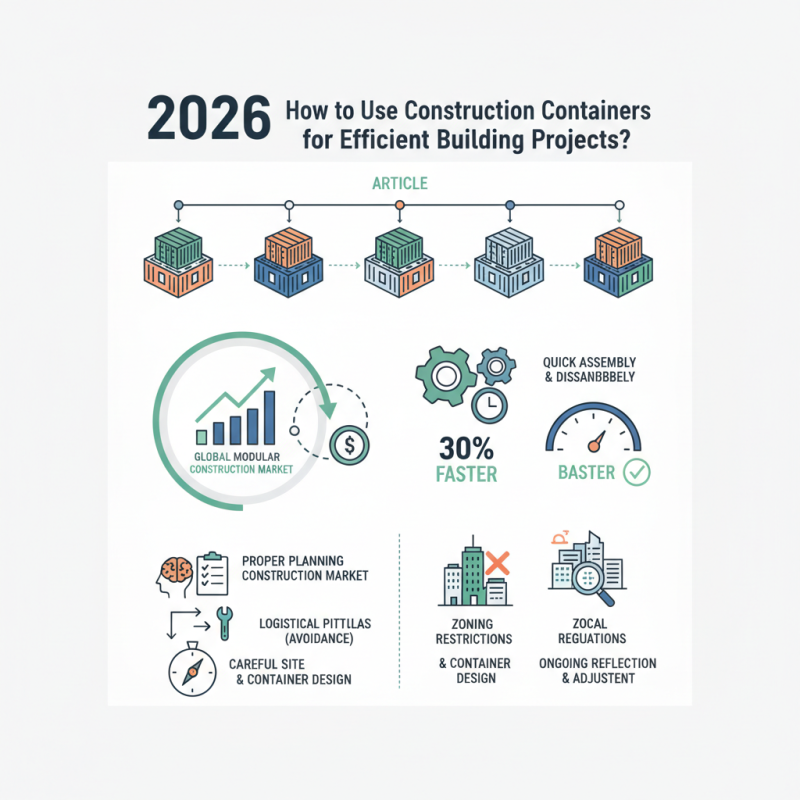
The construction industry is evolving rapidly. In recent years, the use of construction containers has gained significant traction. According to a study by Grand View Research, the global modular construction market is expected to reach $157 billion by 2027. This growth reflects the increasing demand for efficient building solutions.
Construction containers offer a versatile approach to project management. They enable quick assembly and disassembly, reducing downtime. Reports indicate that projects utilizing containers can be completed up to 30% faster than traditional methods. However, challenges remain. Proper planning is essential to avoid logistical pitfalls.
While construction containers improve efficiency, they may not fit every project type. Some projects may face zoning restrictions. It's important to assess local regulations before committing. The lessons from early adopters demonstrate the need for careful site selection and container design. Embracing this innovative method requires ongoing reflection and adjustment.
Understanding Construction Containers and Their Benefits
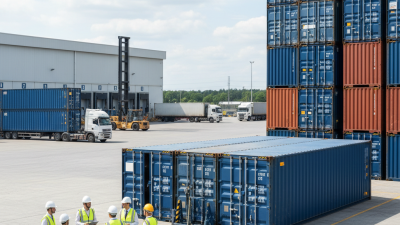
Construction containers have gained popularity in modern building projects. They offer a practical approach to enhance efficiency. These containers are versatile and can be modified for various purposes. For instance, they can serve as offices, storage spaces, or even living units. Their adaptability makes them a suitable choice for temporary sites or permanent structures.
One major advantage is their mobility. Moving a container is often easier than relocating traditional structures. However, this is not always straightforward. Site conditions can pose challenges. Ground stability and access might complicate transport. Additionally, not all containers are the same. Some require extensive modifications to meet specific project needs. This can lead to increased costs and delays, marring the process.
Another benefit is sustainability. Repurposing shipping containers reduces waste. Using existing materials is generally eco-friendly. Still, it's essential to consider the environmental impact of modifications. Some alterations might involve toxic materials or energy-intensive processes. It's a delicate balance to maintain efficiency and sustainability. As this method evolves, it invites constant reflection on practices and their broader effects.
2026 How to Use Construction Containers for Efficient Building Projects
| Dimension |
Value |
| Container Type |
Standard Shipping Container |
| Container Size |
20 ft x 8 ft x 8.5 ft |
| Typical Cost |
$1,500 - $3,000 |
| Common Uses |
Storage, Office Space, Modular Housing |
| Benefits |
Cost-effective, Durable, Versatile |
| Transport Options |
Ship, Truck, Rail |
| Sustainability |
Recyclable materials, Reduced waste |
| Installation Time |
1-2 Days for Basic Setup |
Types of Construction Containers Suitable for Building Projects
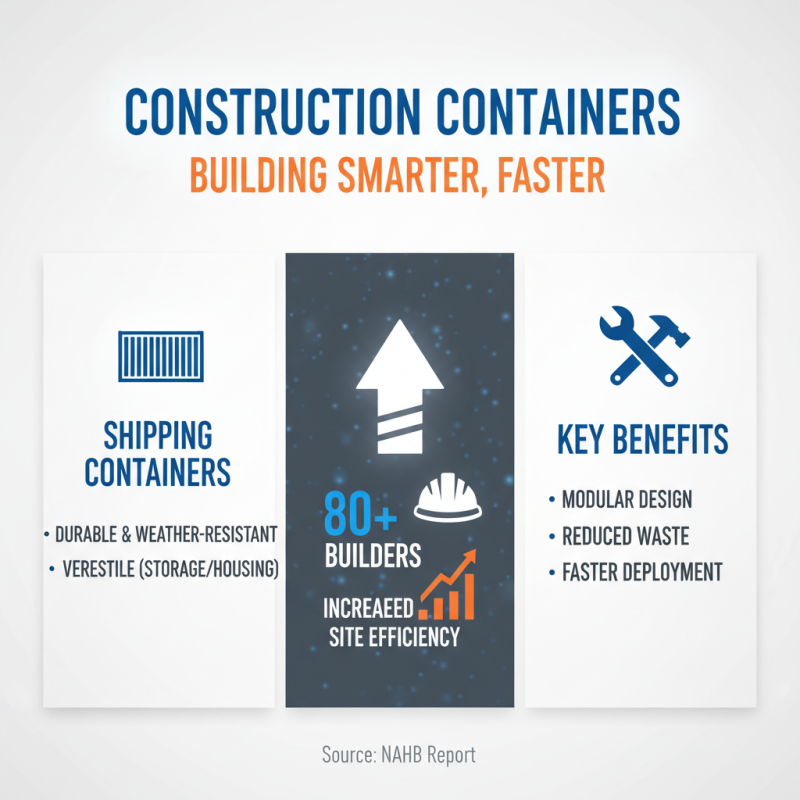
When considering construction containers for building projects, several types stand out. Shipping containers are a popular choice. They are durable and weather-resistant. Their versatility makes them suitable for storage or temporary housing. According to a recent report by the National Association of Home Builders, over 80% of builders used removable containers to enhance site efficiency.
Another type is modular containers. These are customizable and can be designed to fit specific project needs. They are often used for offices on construction sites. A survey indicated that 65% of construction managers reported improved work-site organization after introducing modular units. However, potential challenges arise, such as permitting issues and transportation costs.
Despite their many advantages, builders must acknowledge drawbacks. Not all containers are insulated, which can affect comfort and productivity. Additionally, the initial investment can be substantial. A study found that 30% of projects exceeded budgets due to unexpected logistics. Therefore, careful planning and consideration of project requirements are essential for maximizing container use.
Planning and Designing with Construction Containers
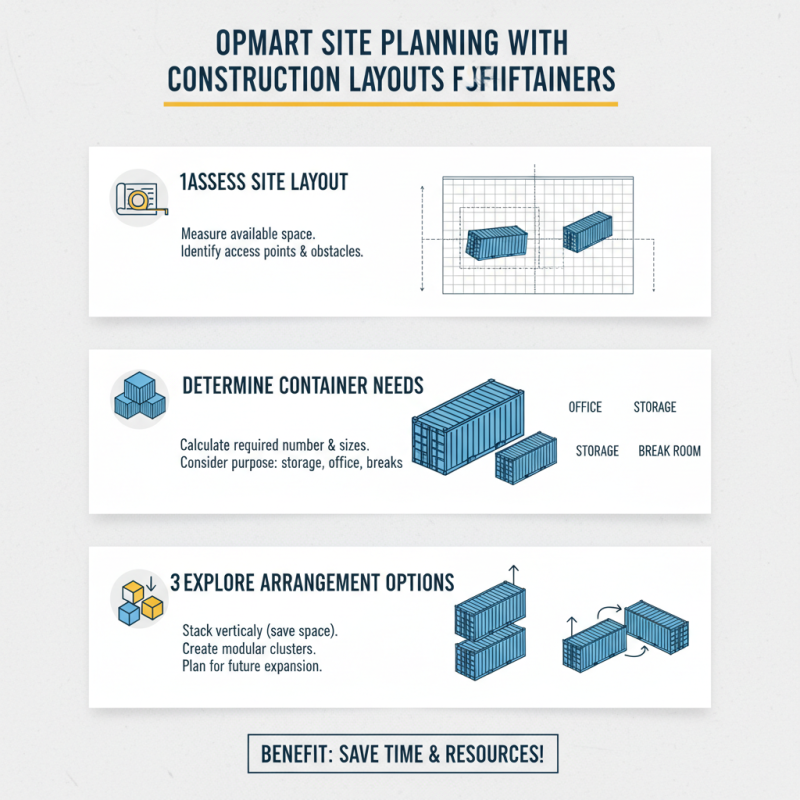
When planning with construction containers, efficiency is key. Start by assessing the site’s layout. Measure available space carefully. This helps determine how many containers are needed. Each container offers unique possibilities. Think about stacking options or modular arrangements. This flexibility can save time and resources.
Next, consider the container's purpose. Will it be used for storage, office space, or living quarters? This decision influences insulation, ventilation, and accessibility. Ensure designs meet local regulations. Review plans for functionality and aesthetics. Sometimes, the initial idea doesn't work as expected. Adapt your designs based on feedback and practicality.
Lastly, collaborate with your team. Encourage brainstorming sessions. Different perspectives lead to better solutions. Remain open to adjusting your plans. Reflect on what works and what doesn't. Building with containers is a learning process. Embrace the challenges and rework your designs as needed.
Best Practices for Efficient Container Utilization in Construction
Using construction containers effectively can dramatically enhance building projects. These versatile units serve as mobile sites, storage spaces, and even temporary offices. Placing them strategically on a site can streamline workflows. However, careful planning is essential. It’s easy to underestimate the space needed for machinery and materials around containers.
One common mistake is overloading containers. Weight limits can be miscalculated, leading to structural issues. Instead of cramming everything in one unit, utilizing multiple containers might be more efficient. This spread not only eases weight distribution but also improves accessibility on-site. Workers should not have to navigate around clutter to reach tools and supplies.
A lesser-known practice is repurposing used containers. They can be converted into workshops or break areas. Yet, proper renovations and inspections are vital. Interior conditions like insulation and ventilation need attention. While these alterations save costs, they require additional time and effort. Reflecting on these challenges ensures that container utilization truly adds value to construction projects.
Efficiency of Container Utilization in Construction Projects
Challenges and Solutions When Using Construction Containers
Using construction containers can greatly enhance project efficiency. However, several challenges arise when implementing this method. A study by the Modular Building Institute shows that 70% of construction professionals face issues with logistics and transportation. Containers can be heavy and bulky, making delivery and placement difficult. When not properly staffed, delays can occur, hindering project timelines.
Tip: Assess your project’s location early. Understanding accessibility can save time and money. Efficient planning is crucial.
Another challenge is ensuring building codes compliance. Construction containers must meet various local regulations. Inadequate knowledge can lead to costly redesigns. According to a report by the International Code Council, nearly 30% of all construction projects face compliance issues. Ignoring this can result in fines or project halts.
Tip: Consult with a local code expert before starting. This can eliminate future headaches.
Despite these challenges, construction containers offer a sustainable building alternative. They are often repurposed, reducing waste. However, not all containers are created equal; quality varies significantly. Some may show signs of rust or damage, affecting their lifespan. It’s essential to critically assess containers before use.