How to Use Cargo Shipping Containers for Your Next Project?
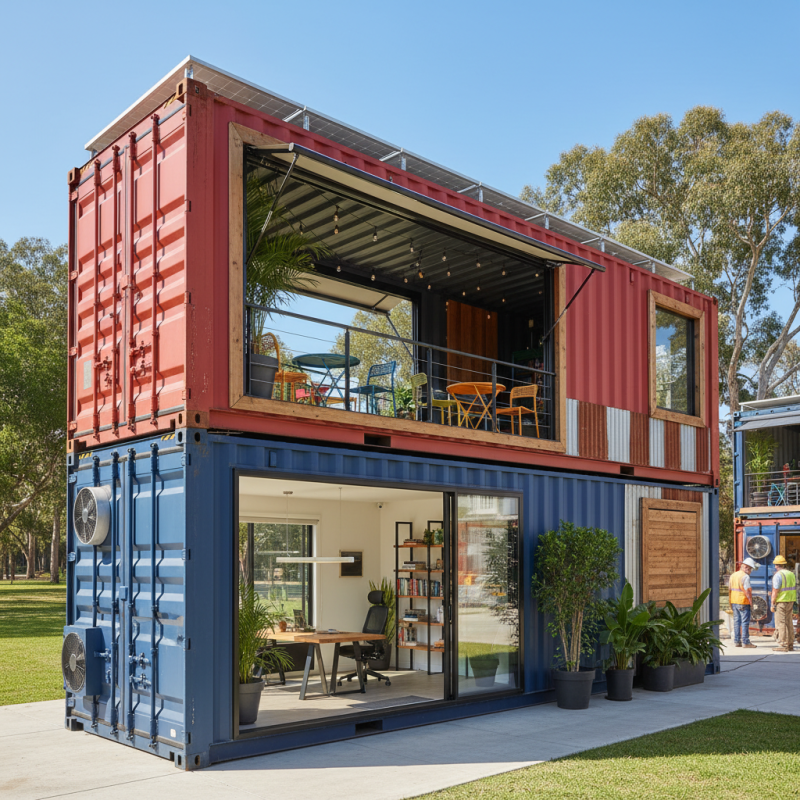
Cargo shipping containers have become an essential resource for various projects. Their sturdy construction and versatile nature make them ideal for diverse applications. From home offices to pop-up shops, the possibilities are endless.
Using a cargo shipping container can bring unique aesthetics to your project. These containers are not just metal boxes; they offer creative potential. However, it’s important to consider factors like insulation and ventilation. Many people overlook these details, resulting in uncomfortable spaces.
While cargo shipping containers can be transformative, they require careful planning and execution. You might face challenges related to zoning laws or structural modifications. Reflecting on your project’s specific needs can help prevent issues later on. Embracing the journey of utilizing cargo shipping containers can lead to innovative solutions.
Understanding Cargo Shipping Containers: An Overview
Cargo shipping containers are versatile assets in various projects. They are designed for durability. Constructed from COR-TEN steel, they can withstand harsh environments. According to an industry report, 97% of containers shipped worldwide are fully capable of being repurposed. Their structural integrity allows for creative uses beyond traditional shipping.
Many people convert containers into homes or offices. They can also serve as storage units or pop-up shops. Some urban areas see container parks becoming social hubs. However, the success of such projects relies on proper planning. Not all containers are in pristine condition; rust or structural damage can occur. A thorough inspection is crucial before repurposing.
Sustainability is a key advantage. Using recycled containers can significantly reduce waste. Reports reveal that repurposing one shipping container can save 1.4 tons of CO2 emissions. However, builders must consider local regulations and zoning laws. Understanding these factors can prevent potential roadblocks in your project.
Identifying the Right Type of Container for Your Project
Choosing the right type of cargo shipping container is crucial for any project. With over 6 million shipping containers in use globally, the options can be overwhelming. Containers vary in size, type, and condition. The most common types include standard dry containers, refrigerated containers, and open-top containers. Each serves a specific purpose based on your needs.
For instance, if you plan to store sensitive items, a refrigerated container is essential. According to a report from the International Maritime Organization, over 30% of perishables are transported in reefer containers. These units maintain a stable temperature, ensuring product integrity. Conversely, for construction projects, a standard dry container may suffice. Its durability protects materials from weather conditions.
While selecting, consider the container’s condition. New containers are more reliable, but used ones can save money. A study by Container xChange found that used containers can be 20-30% cheaper than new ones. However, they may require repairs, which could increase overall costs. Assessing your budget and long-term needs is vital in making an informed decision.
Types of Cargo Shipping Containers for Various Projects
This bar chart illustrates the usage frequency of different types of cargo shipping containers for various projects. The standard container is the most commonly used type, followed by reefer containers and other specialized containers. Understanding the right type of container for your project can significantly impact efficiency and cost.
Planning and Designing Your Project Using Shipping Containers
When planning a project with shipping containers, start by defining your goals. Are you creating a temporary workspace, or a permanent structure? Each container has specific dimensions. This affects how you can use them effectively. Consider how many containers you need and their layout. Keep your design flexible. Sometimes, constraints lead to creativity.
Next, focus on connectivity. Containers can be stacked and joined. Think about how natural light will enter your space. Windows and doors add comfort but compromise structure. Balance these elements carefully. You may face challenges with insulation and ventilation. Research solutions that keep your space comfortable year-round.
Lastly, plan for your budget. Containers are cost-effective, but modifications can add up. Account for transport and any necessary permits. Think about resale value too. Projects change, and you might want to sell later. Reflect on what aspects of your project may evolve as you work through your design. Staying adaptable is key.
How to Use Cargo Shipping Containers for Your Next Project? - Planning and Designing Your Project Using Shipping Containers
| Aspect |
Description |
Considerations |
| Purpose |
Define how you plan to use the shipping container, such as housing, storage, or office space. |
Identify the requirements based on intended use. |
| Location |
Select a suitable site for placement considering zoning laws and accessibility. |
Ensure the location supports your project needs. |
| Design |
Plan the layout and design features like windows, doors, and insulation. |
Consider climate conditions for insulation and ventilation. |
| Budget |
Estimate costs for the container purchase, transportation, and any modifications. |
Include ongoing costs such as maintenance in your budget. |
| Regulations |
Research local building codes and regulations concerning container use. |
Ensure compliance to avoid fines or project delays. |
Preparing and Modifying Containers for Construction
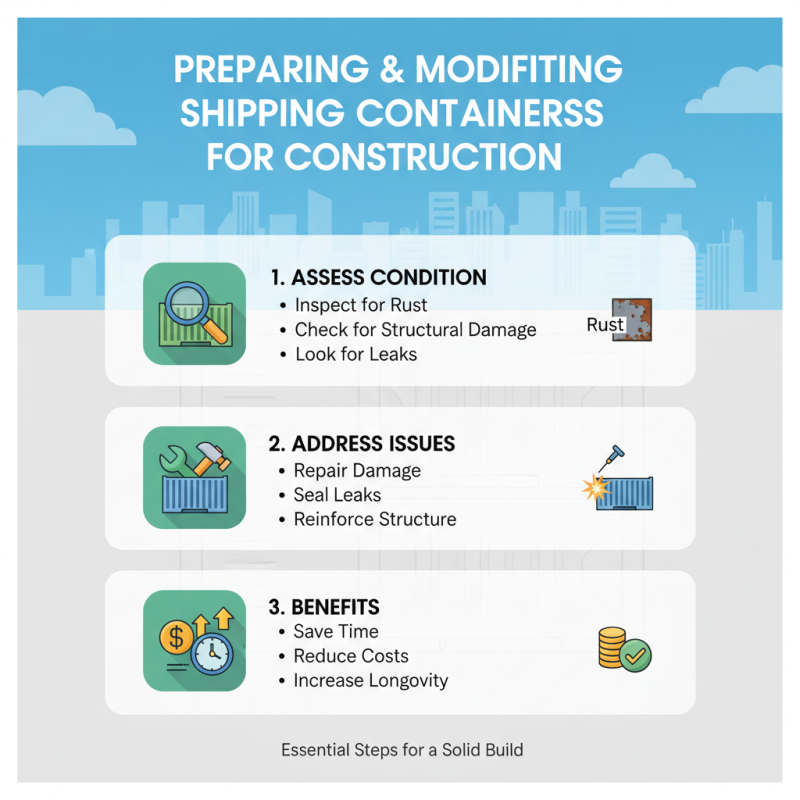
Using cargo shipping containers for construction projects requires careful preparation and modification. Start by assessing the condition of the container. Look for rust, structural damage, and signs of leaks. A thorough inspection is essential. Often, containers used for shipping may show wear and tear. Addressing these issues will save time and money later.
Next, you need to plan the modifications you want. Will you need windows or doors? Creating openings requires cutting through thick steel. This process can be tricky, and mistakes can lead to structural issues. Additionally, reinforcing the container after cutting is crucial. Decide on insulation needs based on your project goals. Not all containers are designed for insulation, and this could impact temperature regulation.
Lastly, think about the container's foundation. A secure, level base is vital for stability. Improper placement can lead to issues, like tilting or moisture intrusion. Each project will have unique challenges. Reflecting on these aspects will guide your modifications and improve the final outcome.
Best Practices for Maintaining and Storing Shipping Containers
Shipping containers are a versatile solution for various projects. However,
maintaining and storing them properly is crucial for longevity and functionality. A well-maintained container can serve you for years.
It's important to inspect your container regularly for any signs of rust or damage.
Tips: Clean your container interior regularly. Remove any debris or unwanted materials. This will prevent issues related to moisture and pests.
When storing your shipping container, choose a flat surface to avoid uneven wear. Elevating the container slightly can also help prevent moisture accumulation.
Ensure it is secure and consider positioning it away from trees. Falling branches can cause serious damage to the container’s roof.
Tips: Use a tarp or breathable cover to protect the container from harsh weather. This prevents fading and minimizes deterioration over time.
Always ensure proper ventilation inside the container. Stale air can lead to rust and mold development. Small vents can improve air circulation,
keeping your container dry and safe. Taking these steps can help you maximize the usage of your shipping container, making it a reliable asset for any project.